The Art of Mixology: Understanding Cocktail Basics
Mixology is more than just the act of combining spirits and mixers; it's a refined art that requires an understanding of flavors, techniques, and the history behind each drink. The foundation of any great cocktail lies in the balance of its ingredients - the perfect interplay of sweet, sour, bitter, and umami. This balance is what gives a cocktail its unique character and makes it memorable. To truly appreciate the art of mixology, one must start with the basics: understanding the different types of spirits, mixers, and garnishes, and how they interact with one another.
Every cocktail begins with a base spirit, such as vodka, gin, rum, tequila, or whiskey. Each of these spirits has its own distinct flavor profile, which forms the backbone of the drink. Mixers, like tonic water, soda, or fruit juices, are added to complement and enhance the base spirit. Additionally, liqueurs and bitters are often used to introduce new layers of complexity and depth to the cocktail. By understanding how these components work together, you can start to experiment with your own combinations and create personalized drinks that cater to your taste.
Technique is also a crucial aspect of mixology. Knowing when to shake, stir, muddle, or layer can have a significant impact on the final product. Shaking a cocktail with ice, for example, not only chills the drink but also aerates it, giving it a light and frothy texture. Stirring, on the other hand, gently mixes the ingredients without diluting them too much. Mastering these techniques takes practice, but with time, you'll be able to craft cocktails that are both visually stunning and delicious.
Top 10 Premium Cocktail Recipes
1. The Classic Martini
The Martini is the epitome of elegance and simplicity. Made with just gin and dry vermouth, it's a drink that requires precision and balance. The key to a perfect Martini is in the ratio of gin to vermouth, which can be adjusted to suit personal preference. Start by chilling your glass, then fill a mixing glass with ice. Add 2 1/2 oz of gin and 1/2 oz of dry vermouth, and stir until well chilled. Strain into the chilled glass and garnish with a lemon twist or olive.
2. The Old Fashioned
A timeless favorite, the Old Fashioned is a simple yet sophisticated cocktail. Begin by muddling a sugar cube with a few dashes of Angostura bitters in an Old Fashioned glass. Add a large ice cube, then pour in 2 oz of bourbon or rye whiskey. Stir gently to combine, and garnish with an orange twist and a maraschino cherry. The result is a smooth, rich drink with a subtle complexity that never goes out of style.
3. The Negroni
The Negroni is a bold, bittersweet cocktail that has gained a loyal following. Combine equal parts gin, Campari, and sweet vermouth in a mixing glass filled with ice. Stir until well chilled, then strain into a rocks glass over a large ice cube. Garnish with an orange twist, and enjoy the interplay of flavors that range from herbal to citrusy to bitter.
4. The Margarita
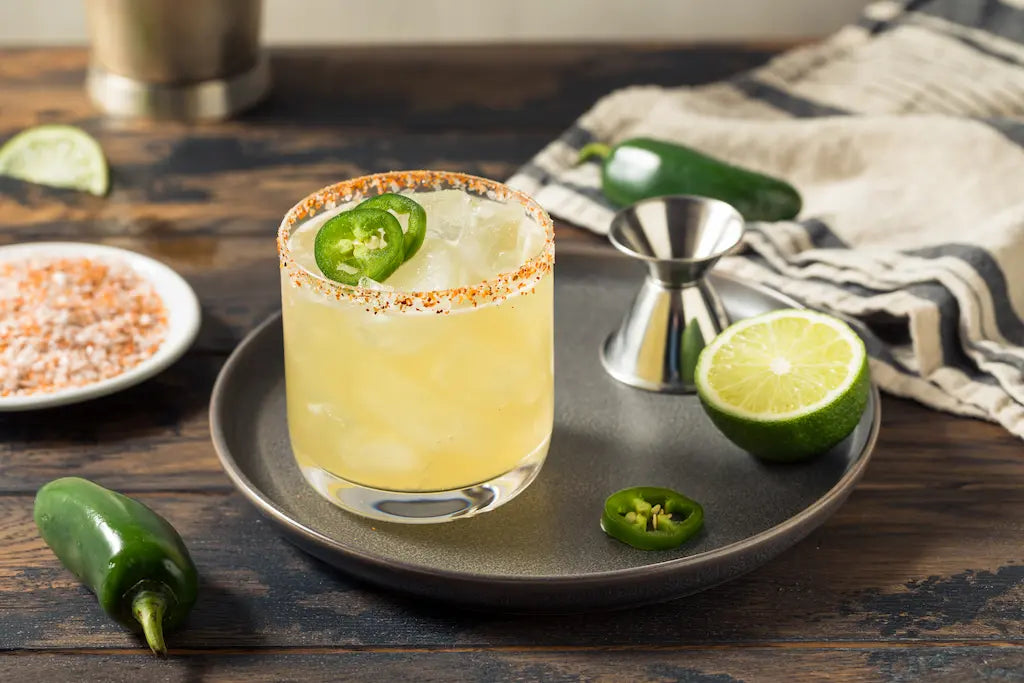
The Margarita is a refreshing and tangy cocktail that's perfect for any occasion. To make a classic Margarita, combine 2 oz of tequila, 1 oz of fresh lime juice, and 1/2 oz of Cointreau or triple sec in a shaker with ice. Shake vigorously, then strain into a salt-rimmed glass filled with ice. Garnish with a lime wheel, and savor the bright, zesty flavors.
5. The Manhattan
The Manhattan is a sophisticated cocktail with a rich history. Combine 2 oz of rye whiskey, 1 oz of sweet vermouth, and a few dashes of Angostura bitters in a mixing glass with ice. Stir until well chilled, then strain into a chilled cocktail glass. Garnish with a maraschino cherry, and enjoy the smooth, slightly sweet, and pleasantly bitter flavors.
6. The French 75
The French 75 is a sparkling cocktail that's both elegant and refreshing. Combine 1 oz of gin, 1/2 oz of fresh lemon juice, and 1/2 oz of simple syrup in a shaker with ice. Shake well, then strain into a champagne flute. Top with 3 oz of champagne, and garnish with a lemon twist. The result is a light, bubbly drink with a delightful citrusy kick.
7. The Mojito
The Mojito is a classic Cuban cocktail that's perfect for a hot summer day. Start by muddling 10 fresh mint leaves and 1/2 oz of simple syrup in a highball glass. Add the juice of half a lime, then fill the glass with ice. Pour in 2 oz of white rum, and top with club soda. Stir gently to combine, and garnish with a sprig of mint and a lime wheel. The Mojito is a refreshing blend of mint, lime, and rum that will transport you to a tropical paradise.
8. The Espresso Martini
The Espresso Martini is a modern classic that combines the richness of coffee with the smoothness of vodka. In a shaker with ice, combine 2 oz of vodka, 1 oz of freshly brewed espresso, 1/2 oz of coffee liqueur, and 1/2 oz of simple syrup. Shake vigorously, then strain into a chilled martini glass. Garnish with a few coffee beans, and enjoy the invigorating flavors of this delightful cocktail.
9. The Pisco Sour
The Pisco Sour is a South American favorite that's both tart and frothy. In a shaker without ice, combine 2 oz of pisco, 1 oz of fresh lime juice, 3/4 oz of simple syrup, and 1 egg white. Dry shake to emulsify the egg white, then add ice and shake again. Strain into a chilled glass, and garnish with a few drops of Angostura bitters. The Pisco Sour is a well-balanced drink with a creamy texture and a refreshing citrus flavor.
10. The Aviation
The Aviation is a lesser-known but exquisite cocktail with a beautiful pale blue hue. Combine 2 oz of gin, 1/2 oz of maraschino liqueur, 1/4 oz of crème de violette, and 3/4 oz of fresh lemon juice in a shaker with ice. Shake well, then strain into a chilled cocktail glass. Garnish with a maraschino cherry, and enjoy the floral and citrusy notes of this elegant drink.
Ingredients That Make a Difference
When it comes to crafting premium cocktails, the quality of ingredients can significantly impact the final product. Fresh, high-quality ingredients ensure that each component of the cocktail shines, creating a harmonious and delicious drink. Start with your base spirits; investing in premium brands can elevate your cocktails from good to exceptional. Look for spirits that are well-regarded within the industry and have a reputation for quality.
Fresh produce is another critical element. Freshly squeezed juices, ripe fruits, and aromatic herbs can transform a cocktail, adding vibrant and natural flavors. For example, using fresh lime juice in a Margarita instead of bottled lime juice can make a noticeable difference in taste. Similarly, fresh mint in a Mojito provides a crisp, refreshing flavor that dried mint simply cannot replicate. Whenever possible, choose seasonal produce to ensure the best flavor and quality.
Liqueurs and bitters also play a vital role in the complexity and depth of a cocktail. Premium liqueurs, such as Cointreau or Luxardo Maraschino, offer rich and nuanced flavors that enhance the overall drink. Bitters, though used sparingly, can add a subtle yet impactful layer of complexity. High-quality bitters, like those from Angostura or Peychaud's, are essential for classic cocktails such as the Old Fashioned and the Manhattan. By selecting the best ingredients, you'll be well on your way to creating exceptional cocktails.
Presentation Matters: Garnishing Your Cocktails
Garnishes are more than just a decorative element; they add visual appeal and can enhance the overall sensory experience of a cocktail. A well-chosen garnish can complement the flavors of the drink, provide an aromatic element, and even offer a hint of what to expect. For example, a lemon twist in a Martini not only looks elegant but also releases essential oils that add a subtle citrus aroma.
When garnishing cocktails, consider both appearance and functionality. Citrus peels, herbs, and edible flowers can add a pop of color and freshness. For instance, an orange twist in a Negroni not only enhances the visual appeal but also complements the bitter and herbal notes of the drink. Similarly, a sprig of mint in a Mojito adds a refreshing aroma and visual contrast.
Edible garnishes, such as berries, olives, or maraschino cherries, can also add a textural and flavor component to the cocktail. For example, a maraschino cherry in a Manhattan provides a sweet contrast to the rich and slightly bitter drink. When choosing garnishes, it's essential to ensure they are fresh and high-quality. A wilted herb or dried-out fruit can detract from the overall presentation and enjoyment of the cocktail.
Pairing Cocktails with Food: Tips and Tricks
Pairing cocktails with food can elevate your dining experience, creating harmonious combinations that enhance both the drink and the dish. The key to successful pairing is to find complementary flavors and balance the intensity of both the cocktail and the food. Start by considering the primary flavors of the cocktail and how they interact with different types of cuisine.
For example, a classic Margarita pairs beautifully with Mexican dishes, as the citrusy and slightly sweet cocktail complements the spicy and savory flavors of the cuisine. Similarly, a rich and smoky Old Fashioned pairs well with grilled meats or barbecue, as the robust flavors of the cocktail enhance the deep, smoky notes of the food. Lighter cocktails, such as a French 75, pair well with delicate dishes like seafood or salads, as the effervescence and citrus notes of the drink complement the freshness of the food.
Another approach is to consider the balance of flavors. If you have a sweet cocktail, pair it with a dish that has a touch of acidity or spice to create contrast. Conversely, a bitter cocktail can be balanced with a rich, creamy dish. Experiment with different combinations and trust your palate to guide you. With practice, you'll be able to create memorable pairings that delight your guests.
Seasonal Cocktails: Adapting Recipes Throughout the Year
Seasonal cocktails allow you to take advantage of the freshest ingredients available and create drinks that reflect the flavors and mood of each season. Adapting your cocktail recipes to incorporate seasonal produce not only ensures the best quality and flavor but also adds a sense of occasion to your drinks.
In the spring, focus on light, floral cocktails that celebrate the arrival of fresh herbs and blossoms. Drinks like the Aviation or a Lavender Collins are perfect for this time of year. Summer is all about refreshing, vibrant cocktails that help you beat the heat. Think Mojitos, Margaritas, and fruity sangrias. Use fresh berries, watermelon, and citrus to create bright, thirst-quenching drinks.
As the weather cools down in the fall, transition to richer, spicier cocktails that evoke the flavors of the season. A classic Old Fashioned, spiced apple cider cocktails, or a Pumpkin Spice Martini are perfect choices. Winter calls for warming, comforting drinks that can be enjoyed by the fire. Hot toddies, Irish coffees, and rich, creamy drinks like eggnog are ideal for this time of year. By adapting your cocktail recipes to reflect the seasons, you'll create drinks that are both delicious and perfectly suited to the time of year.
Hosting a Cocktail Party: Essential Tips
Hosting a cocktail party is a fantastic way to showcase your mixology skills and create a memorable experience for your guests. Preparation is key to ensuring a smooth and enjoyable event. Start by planning your menu and selecting a variety of cocktails that cater to different tastes. Include a mix of classic and seasonal drinks, and consider offering a signature cocktail that represents the theme of your party.
Set up a well-organized bar area with all the necessary tools, glassware, and ingredients. Make sure to have plenty of ice, as it's essential for most cocktails. Pre-prep any garnishes, syrups, or mixers to streamline the process. It's also helpful to provide recipe cards or a chalkboard with the cocktail menu, so guests know what to expect and can even try making their own drinks.
Consider the overall ambiance of your party. Music, lighting, and decor all play a role in creating a welcoming and festive atmosphere. Choose a playlist that complements the mood of your event, and use candles or string lights to create a warm, inviting glow. Finally, don't forget to provide some snacks or small bites that pair well with your cocktails. Having a variety of appetizers ensures that guests have something to nibble on and helps balance the effects of the alcohol.
Cocktail Tools and Equipment You Need
To create premium cocktails, having the right tools and equipment is essential. A well-stocked bar allows you to execute recipes with precision and ease, ensuring that each drink is made to perfection. Here are some essential tools every aspiring mixologist should have:
- Cocktail Shaker: A good quality shaker is a must-have for mixing drinks that require shaking. There are two main types: the Boston shaker and the cobbler shaker. The Boston shaker consists of two tins that fit together, while the cobbler shaker has a built-in strainer and cap. Both are effective, so choose the one that feels most comfortable for you.
- Jigger: A jigger is a small measuring tool that ensures you pour the correct amounts of each ingredient. Precision is crucial in mixology, and a jigger helps you achieve the perfect balance of flavors.
- Bar Spoon: A long-handled bar spoon is used for stirring cocktails and layering ingredients. Its twisted handle allows for smooth and controlled stirring, which is essential for drinks like the Old Fashioned or Manhattan.
- Strainer: A strainer is used to remove ice and other solids from a shaken or stirred cocktail. The Hawthorne strainer, with its spring coil, is the most versatile and fits over various shaker tins and mixing glasses.
- Muddler: A muddler is used to crush and release the flavors of fresh ingredients like herbs, fruits, and sugar cubes. It's an essential tool for cocktails like the Mojito or Old Fashioned.
- Citrus Press: Freshly squeezed citrus juice is a key ingredient in many cocktails. A handheld citrus press makes it easy to extract juice from lemons, limes, and oranges without any seeds or pulp.
- Peeler/Zester: A peeler or zester allows you to create citrus twists and garnishes, adding both visual appeal and aromatic elements to your cocktails.
- Glassware: Different cocktails are traditionally served in specific types of glassware. Having a variety of glasses, such as martini glasses, highball glasses, rocks glasses, and champagne flutes, ensures your drinks are presented properly.
By investing in these essential tools and equipment, you'll be well-equipped to create a wide range of cocktails and impress your guests with your mixology skills.
Conclusion: Cheers to Your New Cocktail Skills!
Embarking on the journey of mixology is not only a fun and rewarding experience but also a way to elevate your social gatherings and impress your friends and family. By understanding the basics of cocktail making, experimenting with premium recipes, and paying attention to the quality of ingredients and presentation, you'll be well on your way to becoming a confident and skilled home bartender.
Remember, the art of mixology is all about balance, creativity, and enjoyment. Don't be afraid to experiment with new flavors and techniques, and always strive to create cocktails that are both delicious and visually appealing. With the right tools, knowledge, and a bit of practice, you'll be able to craft drinks that delight the senses and create unforgettable moments.
So, raise a glass to your newfound cocktail skills and enjoy the delightful journey of mixing, shaking, and stirring your way to perfection. Cheers!