You’ve got the premium gin. You’ve got the Campari. You’ve even got the fancy large-format ice cubes. But you reach into the back of the liquor cabinet, pull out a dusty bottle of vermouth, and—stop right there.
If you’ve ever taken a sip of a home-poured Negroni and wondered why it tastes like medicinal vinegar instead of a bitter-sweet Italian sunset, the culprit is almost certainly your vermouth.
At BottleStork, we believe the difference between a "good" drink and a "professional" cocktail often comes down to understanding your fortified wines. Here is everything you need to know to master the vermouth game.
What is Vermouth, Anyway?
Before we talk colors, let’s talk chemistry. Vermouth isn't a spirit; it’s a fortified wine. It starts as a wine base that is then "fortified" with a neutral spirit (like brandy) and infused with a secret blend of botanicals: roots, barks, flowers, and herbs.
The Great Divide: Sweet vs. Dry
| Feature | Sweet Vermouth | Dry Vermouth |
| Also Known As | Red (Rosso) or Italian Vermouth | White (Blanc) or French Vermouth |
| Flavor Profile | Spiced, herbal, and velvety sweet | Floral, herbal, and crisp |
| Color | Deep amber/dark red | Clear or pale straw |
| The "Hero" Drink | Negroni, Manhattan, Boulevardier | Martini, Gibson |
The Negroni Rule: Sweet is King
To answer the burning question: A classic Negroni requires Sweet Vermouth. The Negroni is a delicate balance of three equal parts. The gin provides the punch, the Campari provides the bitter edge, and the Sweet Vermouth acts as the bridge, providing the sugar and weight needed to round out those aggressive flavors.
Pro Tip: If you use Dry Vermouth in a Negroni, you lose that essential viscosity. The result is a drink that is overly "thin" and punishingly bitter.
3 Rules to Never Ruin a Cocktail Again
1. The "Fridge" Rule (Most Important!)
Because vermouth is a wine, it oxidizes. Once you open that bottle, the clock starts ticking. If your vermouth has been sitting on a room-temperature shelf for six months, it's no longer vermouth—it’s spoiled wine.
-
Action: Always store opened vermouth in the refrigerator. It will stay fresh for about 4–6 weeks.
2. Size Matters
Unless you are throwing a party every weekend, stop buying the 750ml bottles. Look for 375ml "half-bottles." You’ll finish them while the flavor is still bright and aromatic, ensuring every Manhattan tastes as good as the first one.
3. Know Your Styles
Not all Sweet Vermouths are created equal.
-
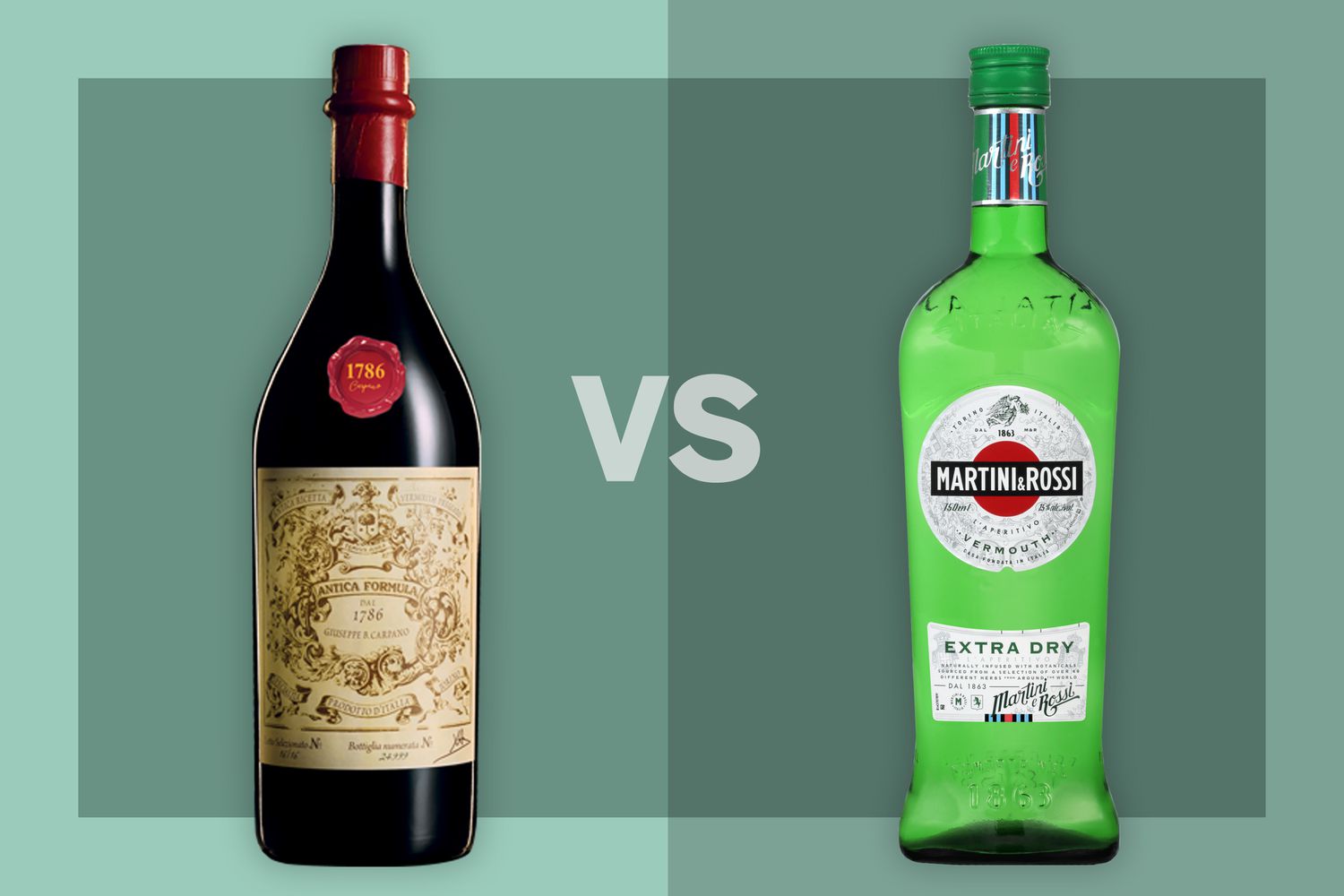
For a bold Negroni: Look for a Vermouth di Torino (like Cocchi Storico or Antica Formula). These have the "backbone" to stand up to the bitter Campari.
-
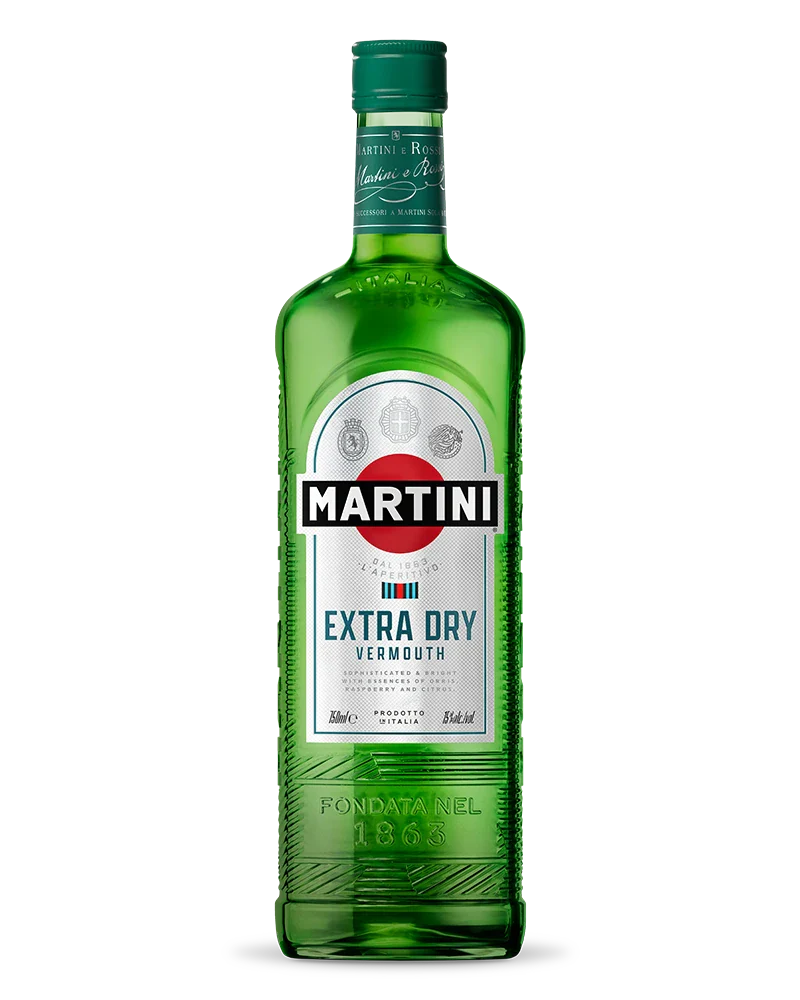
For a delicate Martini: Stick to a classic French Dry Vermouth (like Noilly Prat or Dolin).
The Final Pour
The next time you’re restocking your bar, treat your vermouth with the same respect you give your top-shelf bourbon. Keep it cold, keep it fresh, and for heaven's sake, keep the dry stuff for the Martinis.
Ready to upgrade your home bar?
[Shop our curated selection of premium Vermouths at BottleStork.]