
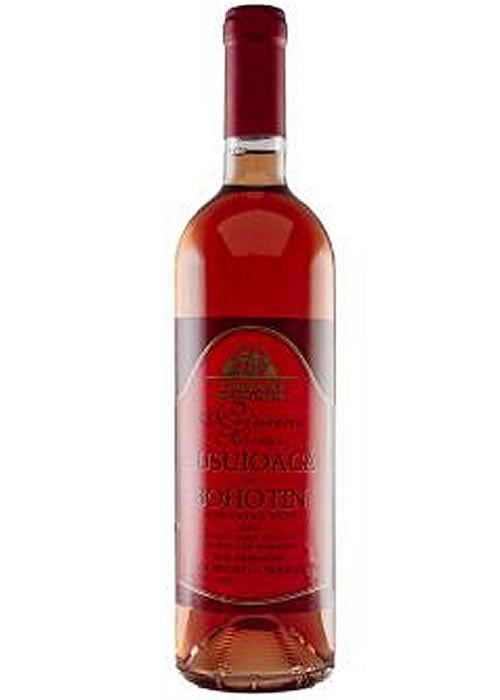

Domain Tohani Busuioaca de Bohotin Rosé
✔ $14.99 Nationwide Flat Rate Shipping
✔ Free Shipping on Orders $150+
✔ 3-4 Business Day Shipping
✔ Trusted by Cocktail Enthusiasts Nationwide
Bottle design may vary from image shown.
🔒 Guaranteed Safe & Secure Checkout
Description
Domeniile Tohani "Domain Tohani" Busuioacă de Bohotin Rosé (750ML)
Domain Tohani Busuioacă de Bohotin Rosé is an exotically perfumed, vibrant hidden gem that serves as a pristine showcase for Eastern Europe's rich winemaking heritage. Produced by the historic Domeniile Tohani estate—a highly acclaimed winery nestled in the heart of Romania's legendary Dealu Mare DOC (Muntenia region)—this wine is built around one of the most unique, fiercely protected indigenous grapes in the world: Busuioacă de Bohotin.
What makes this wine an absolute conversation starter for sommeliers is the structural anomaly of the grape itself. Busuioacă de Bohotin is a rare purple-skinned grape that is produced almost exclusively as a rosé. Because the grape skins carry an incredibly harsh, aggressively drying tannin profile, the fruit is entirely unsuited for traditional red winemaking. Instead, the winemakers implement a gentle, ultra-short skin-maceration period. This brief contact cleanly extracts the grape's famously flamboyant color and intensely floral essential oils while completely leaving behind the bitter seed and skin tannins. Fermented cold in temperature-controlled stainless steel vats to lock in maximum primary energy, it is styled as a beautifully lush, semi-sweet rosé bottled at a balanced ~12.5% ABV.
Technical Wine Specs
-
Size: 750ML Standard Clear Format (Designed to show off its radiant, pale-salmon color)
-
ABV: ~12.5%
-
Wine Type: Aromatic, Lush, Semi-Sweet Rosé Wine
-
Grape Architecture: 100% Indigenous Romanian Busuioacă de Bohotin
-
Appellation: Dealu Mare DOC, Muntenia, Romania
-
Winemaking Protocol: Cold-pressed with brief skin contact; 100% stainless steel tank fermented to preserve purity.
-
Critical Pedigree: A consistent standout representing Eastern Europe's modern wine renaissance, with estate portfolios capturing accolades at the Decanter World Wine Awards and the International Wine Challenge.
Tasting Notes: Flavor and Aroma Profile
Because the wine skips any heavy oak barrel aging, the native floral terpenes shine with crystalline clarity, striking a gorgeous sweet-and-sour structural balance.
-
Aroma (Nose): Piercingly fragrant, sweet, and highly seductive. The bouquet leaps from the glass with a dominant, unmistakable wave of freshly cut pink rose petals and sweet strawberry jam, beautifully underlined by an unexpected, savory herbal trail of sweet basil, wild rose hips, and cool garden mint.
-
Palate (Taste): Medium-bodied, satiny, and texturally lush. The entry treats the tongue to an upfront, honeyed arrival of ripe raspberries, wild strawberries, and candied orange peel. Across the mid-palate, the natural grape sugars are elegantly balanced by a clean, refreshing spine of acidity, unrolling delicate nuances of honeyed nectarines and a light herbal punch.
-
Finish: Remarkably long and persistent for a semi-sweet rosé. The primary red berry sweetness recedes gracefully, leaving a trailing signature of lingering rosewater, a distinct echo of dried basil, and a crisp, mouthwatering cleanliness.
Service and Presentation Rituals
-
The Perfect Continental Chill: To properly enjoy this aromatic style, avoid serving it at a warm room temperature, which will cause the sugar and alcohol to overwhelm the delicate mint and basil accents. Give it a firm, tight chill of 45°F to 50°F (7°C to 10°C) by resting the bottle in an ice bucket or refrigerator before pulling the cork.
-
The Glassware Geometry: Serve inside a standard white wine glass or a gently tapered rosé glass. The narrow opening helps concentrate the volatile rose petal aromatics, directing the perfumed bouquet straight to your nose.
Gourmet Food Pairings
While standard bone-dry French rosés struggle next to intense spices or desserts, Domain Tohani's semi-sweetness and intense floral weight allow it to behave as an exceptional culinary weapon against heat, fats, and sugars.
-
Spicy Asian & Fusion Cuisine: An absolute textbook masterclass pairing alongside spicy tuna sushi rolls, Thai green curry, or sweet-and-savory Peking duck. The natural residual sugars in the wine act as a cooling shield against hot chili spices.
-
Rich Poultry & Soft Cheeses: Pair a chilled glass next to pan-seared duck breast with a raspberry reduction or a charcuterie layout highlighting fresh, tangy goat cheese (chèvre) and creamy Brie.
-
Light Fruit Pastries: It behaves beautifully as an after-dinner companion alongside a slice of strawberry shortcake, raspberry tarts, or traditional fruit tarts, where the wine's rosewater notes finish the dessert elegantly.
Frequently Asked Questions (FAQs)
Is this rosé dry or sweet?
It is officially classified as a semi-sweet rosé wine (demidulce in Romanian). This means the winemakers deliberately arrest fermentation early, leaving behind a touch of natural, un-fermented grape sugar. It hits your palate with a lush, honeyed, and intensely fruity sweetness on the front of the tongue, which is kept crisp and refreshing by a clean backbone of natural acidity.
How does Busuioacă de Bohotin compare to a Provence Rosé?
They sit on entirely different sides of the wine spectrum:
-
Provence Rosé (France): Is traditionally bone-dry, crisp, and mineral-driven—focusing on light notes of under-ripe watermelon, citrus pith, and high, searing chalky acidity.
-
Domain Tohani Busuioacă de Bohotin: Focuses on old-world aromatics and opulence. It is sweeter, rounder, and vastly more fragrant—bursting with an intense, perfume-like explosion of red rose petals, sweet basil, and ripe strawberry jam that sets it completely apart from standard international styles.
How should I store this bottle once opened?
Thanks to its natural fruit acidity and residual sugar content, an opened bottle of Domain Tohani Rosé will hold its structural integrity beautifully inside a standard kitchen refrigerator for 3 to 5 days with a firm cork or wine stopper in place. It will not spoil or turn sour overnight, though the intense, volatile rose petal aromatics will slowly soften over the course of a week.