
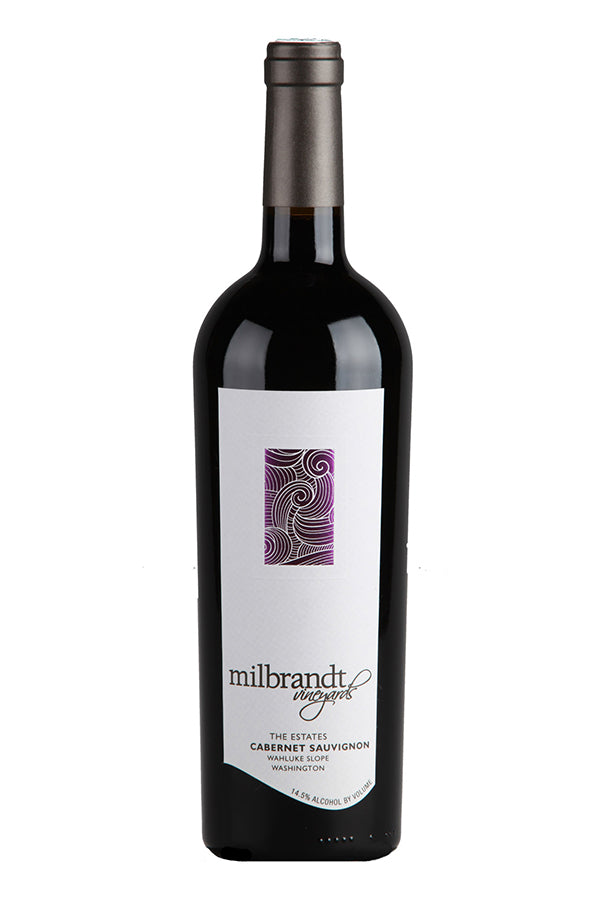

Milbrandt Estates Cabernet Sauvignon
✔ $14.99 Nationwide Flat Rate Shipping
✔ Free Shipping on Orders $150+
✔ 3-4 Business Day Shipping
✔ Trusted by Cocktail Enthusiasts Nationwide
Bottle design may vary from image shown.
🔒 Guaranteed Safe & Secure Checkout
Complete the Pair

Milbrandt Estates Cabernet Sauvignon

Dark Horse Cabernet Sauvignon
Bundle Total: $33.58
Description
Milbrandt Vineyards "The Estates" Cabernet Sauvignon (750ML)
Milbrandt Estates Cabernet Sauvignon is a highly decorated, value-driven powerhouse red wine from Washington State. Founded in 1997 by brothers Butch and Jerry Milbrandt—pioneering grape growers who helped map out and establish the state’s famous Wahluke Slope and Ancient Lakes AVAs—the winery spent its early years cultivating top-shelf fruit for Washington giants like Chateau Ste. Michelle before producing their own estate labels.
The "The Estates" tier sits beautifully between Milbrandt’s entry-level bottles and their limited single-vineyard expressions. Sourced primarily from their warm, sun-baked estate vineyards on the Wahluke Slope, this liquid benefits from an arid, desert-like climate that yields intensely concentrated fruit. Typically composed of roughly 89% to 92% Cabernet Sauvignon (fleshed out with small touches of Merlot and Malbec), the wine undergoes a generous 19-month maturation program in a combination of French and American oak barrels (around 33% new wood). It routinely punches far above its $24–$30 price point, consistently capturing 90 to 91-point "Best Buy" accolades from Wine Enthusiast.
Quick Product Specs
-
Size: 750ML Standard Glass Bottle
-
ABV: ~14.5% (Vintage Dependent)
-
Wine Type: Bold Red Blend (90%+ Cabernet Sauvignon, with Merlot & Malbec)
-
Appellation: Wahluke Slope (Columbia Valley, Washington State)
-
Aging Program: 19 Months in French and American Oak
-
Style Canvas: Broad, rich, full-bodied, and beautifully structured
Tasting Notes: Flavor and Aroma Profile
Thanks to the blazing heat of the Wahluke Slope paired with cold desert nights, the wine captures an incredibly rich, ripe California-style fruit density, but retains the distinctively dusty, earthy backbone unique to Washington State terroir.
-
Aroma (Nose): Deep, expressive, and layered. The bouquet opens with a dominant wave of dusty blackberries, ripe black cherries, and dark currant (cassis), beautifully supported by secondary top notes of premium leather, dark roast coffee grounds, and a playful dusting of powdered sugar.
-
Palate (Taste): Full-bodied, rich, and mouth-filling. The entry treats the tongue to a plush rush of Bing cherries, boysenberry jam, and ripe dark plums. Across the mid-palate, it unrolls magnificent savory depth, showcasing layers of dark baking chocolate, molasses, ginger, and a faint hint of fresh mint/eucalyptus.
-
Finish: Medium-to-long, warming, and structured. The jammy fruit characteristics drop away cleanly, closing with a lingering mineral graphite edge, dry cocoa powder, and firm, velvety tannins that give it a broad, muscle-bound presence.
How to Serve and Appreciate This Cabernet
-
Give it Some Air: This is a big, broad-shouldered Washington red with a substantial barrel pedigree and a sturdy tannin grid. To unlock its full potential, pour it into a decanter or a wide-bowled glass for 20 to 30 minutes before sipping. The exposure to oxygen breaks down the tight wood tannins, coaxing the hidden mint, coffee mocha, and molasses layers completely into the light.
-
Cellar Temperature is King: Avoid serving this wine too hot or right off a warm kitchen counter, which will make the 14.5% alcohol taste aggressive. Aim for a perfect cellar temperature of 60°F to 65°F (15°C to 18°C) to keep the blackberry fruit tasting crisp and focused.
Best Food Pairings
Milbrandt Estates Cabernet's bold, grippy tannins, dark chocolate characteristics, and high-octane fruit make it a spectacular match for charred proteins and heavily seasoned fats.
-
Steak Night Champion: An absolute, textbook partner for a charcoal-grilled ribeye steak with garlic-herb butter or prime dry-aged strip loins. The firm tannins slice through beef fat flawlessly.
-
Braised & Roasted Comforts: The chocolate and baking spice notes create a seamless flavor mirror when served alongside slow-braised beef short ribs, smoked brisket, or roasted lamb chops infused with rosemary.
-
Rich Cheeses: Pair a glass next to a savory charcuterie board featuring chunks of Aged sharp Cheddar, Smoked Gouda, or earthy Gruyère.
-
The Sweet Contrast: Double down on the wine's cocoa finish by matching it up with high-percentage dark chocolate cake slices or sea-salt caramel truffles.
Frequently Asked Questions (FAQs)
Is Milbrandt Estates Cabernet Sauvignon sweet?
No, this is a legally dry red table wine. However, it carries a lot of perception-based fruit and barrel sweetness. Because the Wahluke Slope grapes achieve extreme ripeness under the desert sun and spend 19 months in oak, the liquid is deeply saturated with vanilla, molasses, and jammy blackberry notes that make it taste incredibly lush and soft on the palate before finishing completely dry.
What does the Merlot and Malbec bring to the blend?
Winemakers refer to these small additions as a "seasoning blend." While the Cabernet Sauvignon provides the heavy, muscular structure and dark currant tannins, the Merlot acts as a plush cushion, softening out the mid-palate texture. The tiny splash of Malbec injects the deep, dark garnet color and adds a bright pop of wild black raspberry fruit.
How long can I keep this bottle in my cellar?
While the wine features the natural fruit concentration, balanced acidity, and wood oak tannins required to safely evolve in a cool cellar for 5 to 7 years, it is crafted with approachability in mind. Thanks to its smooth, polished tannin matrix, it is completely open and ready to be enjoyed right now.
Are you setting up a steak night menu or looking to expand your domestic red collection? I can pull together a quick comparison table matching Milbrandt Estates against a classic California Napa Valley Cabernet and a lean French Bordeaux to look over their differences in body, oak, and price tier. Do you want me to do that?