
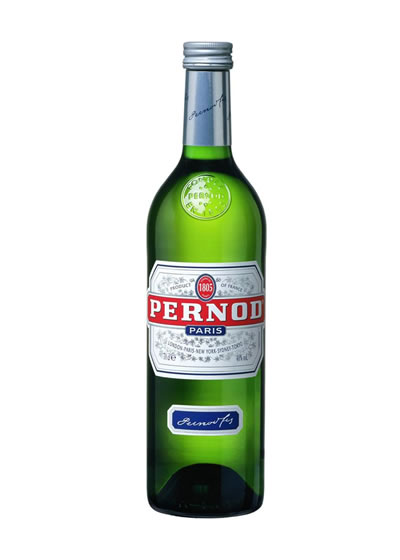

Pernod Anise 750ML
✔ $14.99 Nationwide Flat Rate Shipping
✔ Free Shipping on Orders $150+
✔ 3-4 Business Day Shipping
✔ Trusted by Cocktail Enthusiasts Nationwide
Bottle design may vary from image shown.
🔒 Guaranteed Safe & Secure Checkout
Description
Pernod Anise Liqueur (750ML)
Pernod Anise Liqueur is a legendary, category-defining French spirit that stands as one of the oldest and most culturally significant liqueurs in Western history. Tracing its lineage back to 1805 when Henri-Louis Pernod established the Pernod Fils factory, the brand originally built its global empire on the backs of absinthe. When absinthe was legally banned across Europe and the United States in the early 20th century, the house pivoted, re-engineering their closely guarded botanical blueprint into a lower-proof, highly accessible, and pre-sweetened alternative.
What fundamentally sets Pernod Anise apart from regional cousins like pastis (such as its stablemate, Ricard) is its structural composition. Pastis relies heavily on macerating licorice root, which yields an earthy, woody, and intensely heavy dark-syrup density. Pernod completely subverts this approach by focusing on a lighter, more ethereal, and fennel-forward profile. The base spirit is crafted from highly precise distillates of star anise and fennel, which are meticulously blended with 14 aromatic botanicals including coriander, chamomile, veronica, and mint. Bottled at a balanced 40% ABV (80 proof), this luminous golden-green spirit serves as the quintessential French café aperitif.
Technical Product Specs
-
Size: 750ML Standard Glass Format
-
ABV/Proof: 40% ABV (80 Proof)
-
Spirit Type: Classic French Anise Liqueur
-
The Botanical Matrix: Distillates of Chinese star anise and southern French fennel, structurally supported by 14 hidden herbs (including mint, chamomile, and coriander).
-
Origin: Crafted and Produced in France (Pernod Ricard Group, Créteil).
-
Historical Ancestry: Directly derived from the original 19th-century Pernod Fils Absinthe recipe, minus the grand wormwood.
Tasting Notes: Flavor and Aroma Profile
Neat, the liquid displays a brilliant yellow-quartz clarity with soft greenish highlights. When water is introduced, it undergoes a dramatic, entirely natural chemical transformation called the "louche" effect, clouding over into an opaque, pale lemon-yellow hue.
-
Aroma (Nose): Pungent, sharp, and intensely fragrant. Upfront notes of bold aniseed and fresh licorice candy dominate the senses immediately, beautifully balanced by the cool, refreshing lift of garden mint, citrus rind, and earthy coriander spice.
-
Palate (Taste): Satiny, crisp, and multi-layered. The entry greets the tongue with a cleansing, refreshing wave of natural sweetness. Across the mid-palate, it unrolls complex herbal layers where the zesty bitterness of fennel and baking spices intermingle flawlessly with a smooth, velvety texture.
-
Finish: Medium-to-long, refreshing, and incredibly clean. Unlike heavy syrups, the finish dries out rapidly, closing with a trailing signature of cooling menthol, clean aniseed, and a crisp, herbal bitterness that prevents the palate from feeling coated.
The Ritual of the Louche: How to Serve
Drinking Pernod neat is rarely recommended, as the intense concentration of star anise oils can easily overwhelm the senses. To fully appreciate its historical architecture, one should execute the classic French presentation.
-
The Dilution Ratio (1:5): Pour 1 oz of Pernod Anise into a large, sturdy tumbler glass.
-
The Water Cascade: Slowly pour in 5 oz of ice-cold, distilled spring water. As the water enters the glass, watch the transparent green liquid instantly bloom into a milky, cloud-like opalescence. This happens because the natural anise essential oils (anethole) are highly soluble in alcohol but entirely insoluble in water; dropping the ABV forces the oils to precipitate out of the solution into tiny, microscopic droplets that catch the light.
-
The Ice Finish: Always add ice cubes after the water has been mixed in. Dropping ice directly into neat Pernod can cause the essential oils to crystallize prematurely, creating a harsh, un-emulsified flavor.
High-Performance Mixology
Behind the bar, Pernod is an invaluable tool for classic and contemporary cocktail design, acting as an elite, affordable substitute for absinthe when a recipe requires an aromatic herbal lift.
-
The Sazerac Rinse: To build a textbook New Orleans Sazerac, chill a rocks glass completely. Pour in a 0.25 oz splash of Pernod Anise, swirl the liquid aggressively around the interior walls to coat the glass entirely, and dump the remaining excess liquid out. Build your rye whiskey, sugar, and Peychaud's bitters solution directly on top of the coated glass. The remaining Pernod film leaves a mesmerizing, aromatic licorice halo over the whiskey.
-
The Green Beast: A highly popular, refreshing punch recipe. In a tall glass filled with ice, combine 1 oz Pernod Anise, 1 oz fresh lime juice, 1 oz simple syrup, and top with cold water. Garnish heavily with long slices of fresh cucumber.
Food Pairings
Pernod’s high-acid fennel and star anise structure makes it a monumental weapon when paired alongside rich Mediterranean seafoods and savory herbs.
-
Provençal Bouillabaisse & Fish Stews: An absolute, historic home run. Pernod is traditionally used as an active cooking ingredient in authentic French fish broths. Sipping a louched glass next to a bowl of hot seafood stew perfectly mirrors the built-in fennel oils.
-
Flame-Grilled Sea Bass or Branzino: Pair a diluted pour next to grilled white fish brushed with olive oil, sea salt, and fresh rosemary. The clean aniseed profile cuts straight through the char and fish oils.
-
Fresh Oysters on the Half Shell: The sharp, briny salinity of a raw oyster acts as a magnificent structural contrast to Pernod's natural, herbal sweetness.
Frequently Asked Questions (FAQs)
Is Pernod the same thing as Absinthe?
No, they are distinct branches of the same family tree. While Pernod Anise was created by the exact same company that made the world's most famous absinthe, the recipes differ significantly. Absinthe is bottled at an exceptionally high proof (typically 53% to 68% ABV), contains zero pre-added sugar, and features grand wormwood (Artemisia absinthium) as a core legal botanical. Pernod Anise is bottled at an approachable 40% ABV, includes a touch of sugar syrup for smooth texture, and swaps out the bitter wormwood for a highly focused star anise and fennel core. (Note: Pernod Ricard does also manufacture a separate, higher-end bottle explicitly labeled "Pernod Absinthe Superieure" for those chasing the original 19th-century recipe).
Does Pernod contain real licorice root?
Yes, but in incredibly small, heavily restrained quantities. While a standard French pastis uses high volumes of wood-macerated licorice root to achieve a heavy, dark, and distinctly chewy wood texture, Pernod utilizes a distillation-first methodology. The star anise and fennel seeds are distilled cleanly in stills, resulting in a significantly brighter, more floral, and refreshing flavor canvas that keeps the thick licorice traits gracefully in the background.
How should I store this bottle?
Thanks to its robust 40% ABV framing, Pernod Anise is completely shelf-stable at room temperature once opened. It will never spoil, turn sour, or degrade into vinegar. You do not need to refrigerate it. Simply store the bottle upright in a cool, dark liquor cabinet away from direct sunlight to preserve its beautiful, natural greenish-yellow coloration. Ensure the screw-cap is turned on tightly after service to prevent the alcohol from evaporating.