
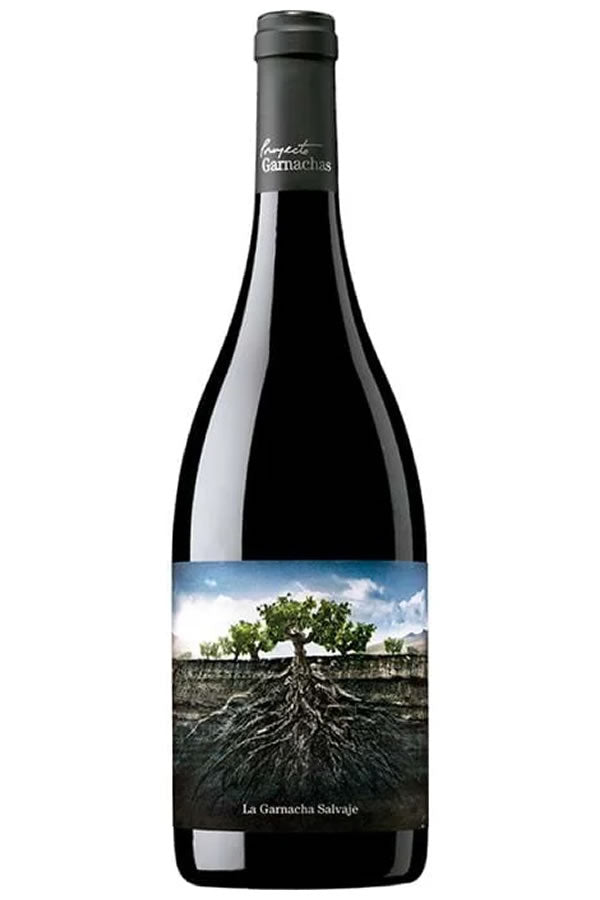

Proyecto Garnacha de Espana La Garnacha Salvaje
✔ $14.99 Nationwide Flat Rate Shipping
✔ Free Shipping on Orders $150+
✔ 3-4 Business Day Shipping
✔ Trusted by Cocktail Enthusiasts Nationwide
Bottle design may vary from image shown.
🔒 Guaranteed Safe & Secure Checkout
Description
Proyecto Garnachas de España "La Garnacha Salvaje del Moncayo" (750ML)
La Garnacha Salvaje del Moncayo ("The Wild Grenache of Moncayo") is a highly unique, critically acclaimed red wine that functions as a rescue mission for forgotten Spanish viticulture. Part of the innovative Proyecto Garnachas de España spearheaded by the Vintae wine group and visionary oenologist Raúl Acha, this collection was born to prove that Garnacha (Grenache)—historically ripped up or relegated to a secondary blending role in Spain—could produce world-class single-varietal wines when sourced from the right ancient terroirs.
The architectural soul of La Garnacha Salvaje comes from its extreme, rugged birthplace. The fruit is hand-harvested from old, low-yielding bush vines planted on the rocky, steep northern face of the Moncayo mountain massif, hovering over the Ebro Valley within the Ribera del Queiles region (spanning parts of Aragón and Navarra). Growing in high-altitude, interfluve soils composed of iron-rich clay, pebbles, and raw slate, the grapes endure cold mountain winds that naturally preserve an incredible, lip-smacking freshness.
Unlike heavy, jammy Mediterranean reds, this mountain Garnacha is treated with tremendous structural restraint: it is aged for a brief 5 months in new French oak barrels to soften its athletic contours without burying its stunning, terroir-driven minerality.
Technical Wine Specs
-
Size: 750ML Standard Format
-
ABV: 14%
-
Wine Type: Medium-Bodied, Bright, and Mineral-Driven Red Wine
-
Grape Architecture: 100% Old-Vine Garnacha (Grenache)
-
The Terroir Core: High-altitude slate, limestone, and pebbled soils on the north face of Mount Moncayo.
-
Aging Regimen: 5 months in new French oak barrels.
-
Origin: V.T. Ribera del Queiles, Aragón / Navarra, Spain
-
Critical Pedigree: Widely celebrated as an unbeatable, world-class value, consistently securing 90 to 91 Points from Guía Peñín and James Suckling.
Tasting Notes: Flavor and Aroma Profile
The high altitude and slate soils yield an exceptionally bright, translucent garnet-cherry red hue in the glass, pulsing with youthful, energetic purple glints.
-
Aroma (Nose): Delightfully complex, fresh, and wild. The bouquet leaps from the glass with an upfront wave of wild forest berries, fresh raspberries, and sour red cherries, beautifully integrated with secondary top notes of violets, fresh tobacco leaf, and a distinct balsamic freshness reminiscent of wild rosemary and mint.
-
Palate (Taste): Medium-bodied, round, and incredibly juicy. The entry floods the palate with a refreshing arrival of crunchy red currants and strawberry puree. Across the mid-palate, it unrolls a lovely, satiny texture where the sweet, supple tannins are beautifully balanced by an old-world, Burgundy-like slate minerality and a hint of fine baking spices (nutmeg and clove) from its brief barrel sleep.
-
Finish: Refreshing, clean, and elegant. The bright red fruits wash away smoothly, leaving a trailing signature of savory dried herbs, a light orange-peel snap, and a lingering, mouthwatering acidity.
Service and Presentation Rituals
-
The Aeration Boost: Because this wine is grown on mountain slate, it can show a tight, slightly smoky reduction right when the cork is pulled. Pour the wine into a decanter or a wide-bottom container for 15 to 20 minutes before serving. This brief oxygen window allows the wild herbal and violet notes to completely bloom.
-
The Summer Chill Strategy: Because of its bright acidity, thin grape skins, and low oak imprint, this wine responds beautifully to being served slightly chilled. Drop the bottle into the fridge for 20 minutes to hit a perfect cellar target of 58°F to 62°F (14°C to 16°C). This keeps the raspberry fruit tasting intensely crisp and masks any forward alcohol heat.
Food Pairings
La Garnacha Salvaje’s brilliant combination of prickly mountain acidity, fine-grained sweet tannins, and a savory, herbal finish makes it the ultimate, versatile champion for Mediterranean comfort food.
-
Traditional Spanish Rice & Pastas: An absolute textbook home run next to a meat-centric Paella Valenciana, chicken and chorizo rice, or pasta tossed in a rich, savory meat ragu.
-
Flame-Charred Mainstays: Pair a chilled glass alongside grilled pork chops, lamb skewers brushed with rosemary, or wood-fired barbecued chicken thighs, where the wine's slate minerality slices through char and fat cleanly.
-
Tapas & Light Cheeses: It behaves beautifully next to a casual spread highlighting jamón Ibérico, patatas bravas, or a light cheese course featuring semi-cured Manchego or fresh goat cheese.
Frequently Asked Questions (FAQs)
Is this a heavy, sweet, or oaky wine?
No, it is remarkably fresh, bright, and light on its feet. While Grenache from warmer, flat parts of Spain can sometimes taste heavy, syrupy, or intensely alcoholic, the north-facing mountain slopes of Moncayo force these grapes to retain a massive spine of natural acidity. Furthermore, because it only spends 5 months in oak, you get a clean, fruit-focused wine highlighted by wild berries and flinty stone notes, rather than heavy vanilla or smoke.
What does "Salvaje" mean on the bottle?
Salvaje translates from Spanish as "Wild." The name serves as a dual tribute by winemaker Raúl Acha to the "wild," rugged, and uncultivated mountain landscape of Moncayo where the vines struggle to grow, as well as the untamed, exuberant, and intensely fresh primary fruit profile that these ancient bush vines deliver to the glass.
Can I cellar this wine?
While its high concentration of mountain acidity and firm fruit allows it to sit comfortably in a cool space for 3 to 5 years, this wine is explicitly engineered to celebrate youthful energy, vibrant primary fruit terpenes, and crunchy freshness. It is optimized to be popped, shared with friends, and enjoyed within a few years of its harvest date.